Comprehensive Assessment of the Risks and Benefits of Raw Food Diets for Pets

Aug 20, 2025 By

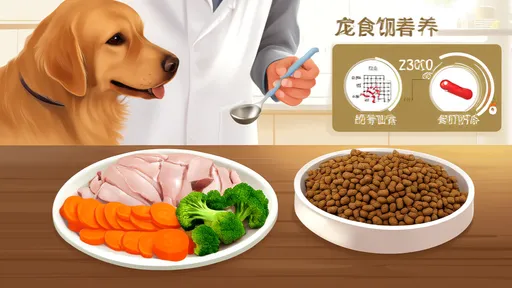
In recent years, the practice of feeding pets a raw food diet has surged in popularity among pet owners seeking what they perceive as a more natural and wholesome alternative to commercial pet foods. Proponents argue that this approach mirrors the ancestral diets of wild canines and felines, promising shinier coats, healthier skin, improved energy levels, and overall superior vitality. The movement is fueled by a growing desire among guardians to take a more hands-on, informed role in their companion's nutrition, often driven by stories of remarkable health turnarounds and a deep-seated skepticism of large-scale pet food manufacturing processes and ingredients.

However, this trend exists within a maelstrom of intense debate within the veterinary and scientific communities. The purported benefits are often anecdotal, passionately shared in online forums and social media groups, yet they stand in stark contrast to the warnings issued by major veterinary associations. These organizations point to significant, evidence-based public health risks and nutritional concerns that cannot be overlooked. The decision to adopt a raw diet is therefore not a simple lifestyle choice but a complex issue sitting at the intersection of well-intentioned care and scientific caution, demanding a thorough and balanced examination from all angles.

The Allure of the Ancestral Diet: Perceived Benefits Explored

The philosophical core of the raw feeding movement is rooted in the idea of biological appropriateness. Advocates posit that the digestive systems of dogs and cats have evolved over millennia to process raw meat, bone, and organs efficiently, not the cooked, processed, and carbohydrate-rich kibble that defines modern pet food. This belief translates into several claimed advantages. Many owners report a dramatic improvement in their pet's coat quality, noting a new softness and shine that was previously absent. Skin conditions, including chronic allergies and hotspots that were resistant to medicated shampoos and treatments, are often said to clear up remarkably once the switch to raw is made.

Beyond dermatological benefits, proponents frequently cite enhanced digestive health. They argue that the high digestibility of raw meat leads to smaller, firmer, and less odorous stools, a clear indicator of more complete nutrient absorption. This improved gut health is also linked to a bolstered immune system, potentially leading to fewer general illnesses and a reduced reliance on veterinary interventions for minor ailments. For dental health, the mechanical action of chewing on raw meaty bones is championed as nature's toothbrush, scraping away plaque and tartar and promoting healthier gums, thereby potentially reducing the need for professional dental cleanings under anesthesia. The overall picture painted by supporters is one of a return to a primal state of health, unlocking a pet's true potential for leanness, energy, and longevity.

Unpacking the Evidence: A Scientific Perspective on Claims

While the testimonials are compelling, the scientific community urges a critical look at the evidence—or lack thereof—supporting these claims. The stark reality is that robust, large-scale, long-term studies on the health outcomes of raw-fed pets versus those fed conventional diets are exceedingly rare. Much of the support for raw diets relies on personal anecdotes and small-scale observations, which are vulnerable to placebo effects and owner bias. For instance, a shinier coat can often be attributed to the high-fat content of many raw formulations, an ingredient that can also be effectively replicated in high-quality commercial foods without the associated risks.

The claim regarding dental health is particularly contentious. While gnawing on a bone certainly has an abrasive effect, veterinary dentists warn of the significant danger of tooth fractures and periodontal injuries from bones that are too hard. Furthermore, the assertion that a raw diet is inherently more digestible is not universally accepted. The process of cooking actually denatures proteins and breaks down cellulose in plant matter, making many nutrients more bioavailable, not less. The pet food industry has extensively researched and utilized this principle for decades to create highly digestible products. The scientific consensus maintains that the risks associated with raw feeding currently outweigh the unproven benefits, and that any perceived advantages can be safely achieved through carefully selected, high-quality commercial or properly formulated home-cooked diets that prioritize safety and nutritional balance.

The Hidden Dangers: A Deep Dive into Pathogenic Risks

The most significant and unequivocal risk associated with raw pet diets is microbiological contamination. Raw meat, whether intended for human or animal consumption, is frequently contaminated with pathogenic bacteria such as Salmonella, Listeria monocytogenes, E. coli, and Campylobacter. Scientific studies have consistently found a high prevalence of these pathogens in commercial raw pet food products. Unlike humans who cook their food, pets consuming raw meat ingest these bacteria directly. While many healthy animals may show no signs of illness, becoming asymptomatic carriers, they can shed these bacteria in their saliva and feces, posing a severe zoonotic threat—a risk of transmission to humans.

This environmental contamination creates a public health hazard, particularly for household members with compromised immune systems, the elderly, and young children who are more vulnerable to severe infection. The simple acts of petting a dog that has just licked its chops, cleaning up feces in the yard, or handling the pet's food bowl can become vectors for transmission. The home environment itself can become a reservoir for these bacteria, lingering on surfaces, bowls, and utensils if not sanitized meticulously. This risk extends beyond the immediate family to other animals in the home, visitors, and even public spaces like dog parks. The management of this risk requires a level of constant, rigorous hygiene that many households find challenging to maintain, turning every meal into a potential biohazard event.

Nutritional Imbalance: The Silent Threat to Pet Health

Beyond the immediate threat of pathogens lies the more insidious danger of nutritional imbalance. Formulating a complete and balanced diet from raw ingredients is a complex task requiring expertise in animal nutrition that most pet owners simply do not possess. The internet is rife with homemade recipes that are critically deficient or excessive in essential nutrients. A common and devastating mistake is creating a diet with a severe calcium-to-phosphorus imbalance. Diets heavy in muscle meat but lacking adequate bone or a calcium supplement can lead to nutritional secondary hyperparathyroidism, a condition that leaches calcium from the skeleton, causing painful fractures and severe bone deformities, especially in growing puppies and kittens.

Other frequent deficiencies include a lack of essential trace minerals like zinc and iodine, or fat-soluble vitamins like Vitamin E and Vitamin D. Conversely, over-supplementation can be just as dangerous, leading to toxicities that damage organs. The liver, for instance, is incredibly rich in Vitamin A, and feeding it too frequently can result in hypervitaminosis A, causing severe joint and bone issues. Unlike commercially prepared foods that are rigorously tested and formulated to meet established nutritional profiles (e.g., AAFCO standards), a homemade raw diet is only as good as the recipe and the person preparing it. Without consultation with a board-certified veterinary nutritionist—a step often skipped due to cost or access—owners are essentially conducting a nutritional experiment on their beloved pet with potentially irreversible consequences.

Weighing the Practicalities: Cost, Time, and Consistency

The commitment to a raw diet extends far beyond philosophical agreement; it is a significant practical undertaking. Sourcing high-quality, human-grade ingredients from reputable suppliers is paramount for minimizing pathogenic risk but comes with a substantial financial cost. A raw diet, whether commercially prepared or homemade, is almost invariably more expensive than a high-quality kibble or canned food. This cost is compounded by the need for dedicated freezer storage space for bulk purchases and the ongoing expense of supplements to correct potential imbalances in a homemade regimen.

The time investment is another major factor. Preparing meals from scratch—measuring, grinding, chopping, and portioning—is a time-consuming process that must be done with scrupulous attention to hygiene to avoid cross-contamination in the kitchen. This daily or weekly routine stands in stark contrast to the convenience of scooping kibble from a bag. Furthermore, maintaining consistency batch after batch is challenging. A slight variation in the cut of meat or the amount of organ included can alter the nutritional profile significantly. For pet sitters or boarding facilities, handling a raw diet can be a significant burden and a liability they are unwilling to accept, complicating travel plans for the owner. The logistical hurdles present a formidable barrier to the safe and sustainable implementation of this feeding practice for many well-meaning owners.

Conclusion: Navigating a Polarized Landscape

The debate over raw feeding for pets is characterized by deep passion and equally deep concern, creating a polarized landscape that can be difficult for owners to navigate. The allure of providing a diet that feels fundamental and pure is powerful, and the anecdotal successes cannot be entirely dismissed. However, these perceived benefits must be soberly weighed against the formidable and well-documented risks of pathogenic contamination and nutritional inadequacy, dangers that are endorsed by every major veterinary organization.

For a pet owner considering this path, the burden of responsibility is immense. It necessitates a commitment that goes far beyond simply buying a different type of food. It requires a pledge to become expertly informed, to consult with a veterinary nutritionist, to implement a laboratory-level hygiene protocol, and to accept the ongoing cost and labor involved. For the vast majority of pet owners, the safest and most reliable path to ensuring a long, healthy, and vibrant life for their companion lies not in a risky return to a wild past, but in selecting a high-quality, scientifically formulated commercial diet or a properly balanced home-cooked diet (which is cooked to eliminate pathogens). The ultimate expression of love and care for a pet is making choices grounded in evidence and safety, ensuring their well-being is never compromised by well-intentioned but potentially dangerous trends.

Recommend Posts
Pet

Positive Reinforcement Training for Correcting Pet Food Guarding Behavior

By /Aug 20, 2025

Positive reinforcement training has revolutionized the way we address behavioral challenges in our pets, and resource guarding is no exception. This instinctual behavior, often mislabeled as aggression, stems from a deep-seated survival mechanism where animals protect valuable resources like food, toys, or resting spots. Historically, correction-based methods dominated the training landscape, relying on intimidation or punishment to suppress unwanted actions. However, these approaches often backfire, eroding trust and potentially exacerbating the very behavior they aim to eliminate. The paradigm has thankfully shifted towards a more compassionate, science-backed methodology that builds confidence and security rather than fear.
Pet

Training Your Pet to Safely Use a Pet Door

By /Aug 20, 2025

Training your pet to use a pet door safely is a journey that requires patience, understanding, and a thoughtful approach. It’s not just about teaching a new skill; it’s about fostering confidence and ensuring your furry friend feels secure while gaining independence. Many pet owners see a pet door as a simple convenience, but for the animal, it can be a significant change to their environment and routine. The process, when done correctly, can strengthen the bond between you and your pet, providing them with a sense of autonomy while keeping them safe.
Pet

Desensitization and Counter-conditioning for Pets with Noise Phobia

By /Aug 20, 2025

In the quiet hours of a thunderstorm or amidst the sudden burst of fireworks, many pet owners witness a distressing transformation in their animal companions. Dogs may tremble, hide, or become destructive; cats might flee to the most inaccessible corner of the house, their eyes wide with panic. This profound fear of loud, unexpected noises is not merely a quirk but a genuine phobia that can severely degrade an animal's quality of life. For decades, the instinctual response was to offer comfort, a strategy we now know can inadvertently reinforce the fearful behavior. The evolution of behavioral science has provided a more effective and compassionate path forward, moving from simple consolation to structured, evidence-based techniques that empower our pets. The most powerful tools in this modern approach are desensitization and counterconditioning, two methodologies that, when applied with patience and precision, can fundamentally rewrite a pet's emotional response to the sounds they dread.
Pet

How to Choose Pet Snacks? Look at the Ingredient List to Avoid These Pitfalls

By /Aug 20, 2025

Choosing the right treats for your furry companion goes far beyond picking the cutest packaging or the most enticing marketing claims. With shelves overflowing with options and new products launching constantly, it has become increasingly challenging for pet owners to discern which snacks truly benefit their animal's health and which might be hiding undesirable ingredients. The single most powerful tool at your disposal in this selection process is not an advertisement or a brand name, but the often-overlooked ingredient panel on the back of the package. Learning to read and interpret this list is an essential skill for any responsible pet guardian.
Pet

Key Period and Methods for Pet Socialization Training

By /Aug 20, 2025

The concept of a critical period in pet socialization is one of the most pivotal, yet often misunderstood, aspects of responsible animal ownership. This window of opportunity, a finite stretch of early development, is when a young animal’s brain is most receptive to new experiences, shaping its perceptions of the world for a lifetime. Missing this period or mismanaging it can lead to a cascade of behavioral challenges, from fear and anxiety to outright aggression. Understanding the nuances of this developmental phase is not merely an academic exercise; it is the foundational bedrock upon which a well-adjusted, confident, and happy companion is built.
Pet

Recognizing Physical Cues of Stress in Pets

By /Aug 20, 2025

As pet owners, we often wish our furry companions could simply tell us what they're feeling. While they may not communicate with words, animals possess a rich and nuanced language of their own—one expressed through their bodies. Learning to interpret the physical signals of stress in pets is not merely an interesting skill for owners; it's a fundamental aspect of responsible and compassionate care. A stressed pet is an unhappy pet, and prolonged anxiety can manifest in serious behavioral issues and health complications. By becoming fluent in the silent dialogue of tail positions, ear flicks, and body postures, we can better understand their emotional state, address the root causes of their discomfort, and ultimately deepen the bond we share with them.
Pet

Administration of Heart Disease Medications for Pets and Observation of Side Effects"

By /Aug 20, 2025

In the realm of veterinary medicine, the management of cardiac conditions in companion animals has evolved significantly, with pharmacological interventions playing a central role in extending both the quality and duration of life for affected pets. The administration of heart medications, while life-saving, requires meticulous attention to dosing protocols, individual patient response, and the vigilant monitoring of potential adverse effects. This complex interplay between therapeutic benefit and risk underscores the necessity for pet owners and veterinarians to maintain a collaborative, informed approach throughout the treatment journey.
Pet

Proper Response Measures for Pet Seizures

By /Aug 20, 2025

Witnessing your beloved pet experience a seizure is one of the most terrifying and heart-wrenching moments a pet owner can face. The sudden loss of control, the violent muscle contractions, and the apparent disconnection from reality can leave you feeling utterly helpless. In that moment, panic is a natural reaction, but it is the enemy of effective help. Your composure and knowledge are the most critical tools you have to ensure your pet's safety and well-being during and after the event. This guide is designed to move beyond simple lists and provide a deeper, more narrative understanding of what is happening to your pet and how you can be their calm anchor in the storm.
Pet

Top 10 Warning Signs of Pet Cancer

By /Aug 20, 2025

As pet owners, we share an unspoken bond with our furry companions, a silent language of wagging tails, comforting purrs, and knowing glances. We become experts in their routines, their quirks, their unique personalities. It is this deep familiarity that makes us the first line of defense in safeguarding their health. When something is amiss, we sense it—a subtle shift in energy, a slight change in behavior. Among the most concerning health challenges our pets can face is cancer, a diagnosis that fills any owner with dread. Yet, knowledge is our most powerful tool. By learning to recognize the early, often whispered warnings, we can move from a place of fear to one of empowered action, potentially dramatically altering the outcome for our beloved animal.
Pet

Low-Fat Diet Plan for Pancreatitis in Pets

By /Aug 20, 2025

When a beloved pet is diagnosed with pancreatitis, the news can be both frightening and overwhelming for any pet owner. This painful and potentially serious inflammation of the pancreas requires immediate and diligent medical care, but what many guardians don't initially realize is that the road to recovery and long-term management is paved almost entirely by diet. The food in your pet's bowl becomes the most critical medicine, a daily prescription that can prevent painful flare-ups and ensure a high quality of life. Navigating the world of low-fat nutrition for a pet with this condition is not just about picking any "light" or "weight management" food off the shelf; it's a deliberate and science-backed strategy to give the organ the rest it desperately needs to heal and function properly.
Pet

Comprehensive Assessment of the Risks and Benefits of Raw Food Diets for Pets

By /Aug 20, 2025

In recent years, the practice of feeding pets a raw food diet has surged in popularity among pet owners seeking what they perceive as a more natural and wholesome alternative to commercial pet foods. Proponents argue that this approach mirrors the ancestral diets of wild canines and felines, promising shinier coats, healthier skin, improved energy levels, and overall superior vitality. The movement is fueled by a growing desire among guardians to take a more hands-on, informed role in their companion's nutrition, often driven by stories of remarkable health turnarounds and a deep-seated skepticism of large-scale pet food manufacturing processes and ingredients.
Pet

Steps to Train Pets to Interact Friendly with Children

By /Aug 20, 2025

Introducing a family pet to young children is a delicate process that requires thoughtful preparation and ongoing supervision. Many parents assume that because animals are often naturally gentle, the interaction will automatically be harmonious. However, the reality is that both pets and children operate on instinct and curiosity, which can sometimes lead to misunderstandings or even accidents. The goal is not merely to have them coexist but to foster a relationship built on mutual respect and understanding. This journey begins long before the first face-to-face introduction and continues as both the child and the pet grow and learn about each other's boundaries and behaviors.
Pet

Postoperative Home Care Environment Setup Guide for Pets

By /Aug 20, 2025

Creating a comfortable and safe environment for your pet after surgery is one of the most important steps you can take to ensure a smooth and successful recovery. The transition from the veterinary clinic back to the home can be stressful for both the animal and the owner, but with careful preparation, you can significantly ease this process. The goal is to minimize your pet’s stress, prevent injury to surgical sites, and provide a calm space that encourages rest and healing. This involves thoughtful consideration of the physical space, the necessary supplies, and the adjustments to your daily routine.
Pet

Strategies for Correcting Excessive Barking Behavior in Pets

By /Aug 20, 2025

When the piercing sound of a dog's bark becomes a relentless neighborhood soundtrack, it signals more than just a noise complaint—it's a cry for help in a language we're still learning to interpret. Excessive barking isn't a standalone behavior; it's a symptom, a tangled knot of instinct, emotion, and environment that demands patient unraveling rather than quick-fix suppression. The journey toward quiet isn't about silencing a dog but understanding the complex creature behind the noise, a process requiring equal parts science, empathy, and consistent action.
Pet

Daily Management and Monitoring of Pet Diabetes

By /Aug 20, 2025

As the morning sun filters through the window, you watch your beloved companion eagerly awaiting breakfast. For millions of pet owners, this daily ritual represents more than just feeding time—it's a moment of connection and care. But when your furry family member receives a diabetes diagnosis, this simple act takes on new significance, becoming part of a carefully managed routine that can mean the difference between vibrant health and serious complications.
Pet

Desensitization Training for Pets to Avoid Home Destruction When Left Alone

By /Aug 20, 2025

As pet owners, we've all experienced that sinking feeling upon returning home to find our cherished belongings chewed, shredded, or otherwise destroyed by our furry companions. The aftermath of such incidents often leaves us frustrated, questioning why our pets engage in destructive behavior when left alone. The truth is, this destructive tendency stems from a place of anxiety, boredom, or a lack of proper training, not malice. Addressing this requires a thoughtful, compassionate approach centered on a process known as desensitization training.
Pet

Interpreting Pet Food Labels and Guaranteed Analysis

By /Aug 20, 2025

Walking down the pet food aisle can be an overwhelming experience for any pet owner. Rows upon rows of brightly colored bags and cans, each adorned with enticing marketing claims like "premium," "natural," or "grain-free," compete for your attention and your wallet. The true story of what you're feeding your beloved companion, however, isn't found in the bold marketing copy on the front of the bag. It's hidden in the small print on the side or back: the ingredient list and the Guaranteed Analysis. Learning to decipher this information is the single most important skill a pet owner can develop to make an empowered, healthy choice for their animal.
Pet

Developing Intellectual Games with Puzzle Toys for Pets

By /Aug 20, 2025

In recent years, the concept of cognitive enrichment for pets has moved from niche interest to mainstream practice among conscientious pet owners. The development of intelligence games, particularly those involving guided play with puzzle toys, represents a fascinating evolution in how we engage with our animal companions. These are not mere distractions; they are carefully crafted tools designed to stimulate problem-solving abilities, enhance emotional well-being, and strengthen the bond between human and animal. The shift towards this form of interactive play underscores a broader recognition of our pets' complex inner lives and their need for mental challenges alongside physical exercise.
Pet

Root Analysis and Solution for Cats' Inappropriate Urination Behavior

By /Aug 20, 2025

When a beloved feline companion begins urinating outside the litter box, it can be a source of immense frustration and concern for pet owners. The pungent odor, the stained carpets, and the constant cleanup can test the patience of even the most devoted cat lover. However, it is crucial to understand that this behavior is rarely an act of spite or simple disobedience. Inappropriate elimination is a complex issue, a symptom of an underlying problem that the cat is trying, in its own way, to communicate. To effectively address this messy dilemma, we must first learn to listen to what our cats are telling us and approach the situation with empathy, patience, and a systematic plan of action.
Pet

Pet Weight Loss Meal Ratio and Calorie Calculation Manual

By /Aug 20, 2025

As pet obesity rates continue to climb globally, concerned owners are increasingly seeking scientifically-backed nutritional strategies to help their companions achieve healthy weights. The journey toward effective weight management begins with understanding that our furry friends' dietary needs are as individual as their personalities—shaped by breed predispositions, metabolic rates, and lifestyle factors that demand personalized approaches rather than generic solutions.