Witnessing your beloved pet experience a seizure is one of the most terrifying and heart-wrenching moments a pet owner can face. The sudden loss of control, the violent muscle contractions, and the apparent disconnection from reality can leave you feeling utterly helpless. In that moment, panic is a natural reaction, but it is the enemy of effective help. Your composure and knowledge are the most critical tools you have to ensure your pet's safety and well-being during and after the event. This guide is designed to move beyond simple lists and provide a deeper, more narrative understanding of what is happening to your pet and how you can be their calm anchor in the storm.
The first and most crucial step is to understand what a seizure actually is. It is not a disease in itself, but a symptom of abnormal, excessive electrical activity in the cerebral cortex of the brain. Think of it as an electrical storm causing a temporary glitch in the complex computer that is your pet's mind. This storm disrupts normal communication between the brain and the body, leading to the physical manifestations we recognize as a seizure. The event typically has three distinct phases, though they may not always be clearly visible.
The initial phase is known as the aura or pre-ictal phase. This is the period leading up to the main seizure activity. Your pet may exhibit subtle behavioral changes that, in hindsight, serve as a warning. They might seem restless, anxious, or seek you out for comfort more than usual. Some animals may whine, shake, or appear disoriented. They might hide or, conversely, become unusually clingy. Recognizing these signs can give you precious seconds to prepare—to move your pet to a safe, soft space on the floor away from stairs or furniture.
The ictal phase is the seizure itself, and its presentation can vary dramatically. The classic generalized tonic-clonic seizure is what most people picture: the animal falls on its side, loses consciousness, and exhibits rhythmic paddling or jerking of the legs. Their muscles may become rigid (tonic) followed by violent contractions (clonic). They may chomp their jaws, drool excessively, lose control of their bladder or bowels, and their eyes may roll back. This phase can last from a few seconds to several minutes. It is vital to remember that your pet is not conscious and is not in pain during this time, though it is profoundly distressing to witness.
Following the violent storm comes the post-ictal phase. This is the recovery period where the brain is essentially rebooting. Your pet will be disoriented, confused, and may appear blind. They might pace incessantly, bump into walls, or seem not to recognize you. Some animals experience a ravenous hunger or profound thirst. This phase can last for minutes, hours, and sometimes even days. Your role here shifts from protector to compassionate caregiver, providing a quiet, reassuring presence as they slowly return to themselves.
Now, with this understanding of the process, we can focus on the practical actions that constitute correct first aid. Your primary objective is not to stop the seizure—you cannot—but to prevent your pet from causing injury to itself. The first and most important rule is to stay calm. Your pet needs a leader in this moment, not another panicked creature. Take a deep breath. Your calm energy, though it may feel impossible to muster, is palpable and can help stabilize the environment.
Immediately survey the area. If they are on a couch or bed, gently guide them to the floor if it is safe for you to do so, supporting their head to prevent it from banging against the ground. Cushion their head with a soft towel or a pillow. Clear the immediate vicinity of any hard objects, sharp corners of furniture, or stairs they could fall down. The goal is to create a safe, open space where their uncontrolled movements cannot cause harm.
A critical and often misunderstood warning: never, under any circumstances, put your hands near your pet's mouth. The old wives' tale about animals swallowing their tongues is a dangerous myth. During a seizure, the jaw muscles are contracting with immense, involuntary force. You will get severely bitten, and attempting to pry the mouth open can damage your pet's teeth or jaw. The risk of a serious injury to yourself is extremely high and serves no benefit to your pet.
Time the seizure. This is one of the most valuable pieces of information you can give your veterinarian. Use your phone's stopwatch or note the time it starts and ends. A seizure lasting more than five minutes, or a series of seizures where the pet does not regain consciousness in between (a condition known as status epilepticus), is a dire medical emergency that requires immediate veterinary intervention. Knowing the duration is crucial for assessing the severity of the situation.
Keep other pets and children away. The strange movements and sounds can be frightening or trigger a predatory response in other animals. Create a quiet, dimly lit environment by turning off loud televisions or bright overhead lights. Speak to your pet in a soft, soothing tone. Even though they are not conscious, the familiar sound of your voice can be a comfort as they begin to emerge from the episode.
Once the active seizing has stopped and your pet enters the post-ictal phase, your care continues. Do not try to offer food or water immediately, as they are still very disoriented and could easily aspirate. Simply sit with them, speaking gently, and let them come around at their own pace. They may be exhausted and sleep deeply for many hours afterwards. This is normal. Ensure they are in a comfortable, safe spot where they can rest undisturbed.
After the event has completely passed and your pet is alert, it is time to document everything. Write down a detailed account while the memory is fresh. Note the date, time, and duration of each phase. Describe the specific behaviors you observed before, during, and after. Did the seizure affect the whole body or just one part (a focal seizure)? This detailed log will be an invaluable tool for your veterinarian in diagnosing the underlying cause and formulating a treatment plan.
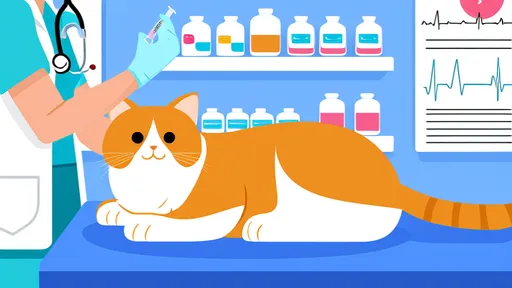
Finally, contact your veterinarian. Even for a first-time, short-duration seizure, it is essential to schedule an appointment. Your vet will want to perform a thorough examination and likely recommend diagnostic tests, such as blood work, to rule out metabolic causes like liver disease, kidney failure, or toxins. In cases of prolonged seizures, clusters of seizures, or if your pet has a known diagnosis of epilepsy and breaks through their medication, this contact should be immediate and urgent.
Navigating a pet's epilepsy is a journey marked by fear, uncertainty, but also profound love and dedication. By arming yourself with knowledge and a clear action plan, you transform from a helpless bystander into your pet's most trusted advocate and protector. Your calm presence is the greatest medicine you can offer in those frightening minutes, guiding them safely back to you.

By /Aug 20, 2025

By /Aug 20, 2025

By /Aug 20, 2025

By /Aug 20, 2025

By /Aug 20, 2025

By /Aug 20, 2025
By /Aug 20, 2025

By /Aug 20, 2025

By /Aug 20, 2025

By /Aug 20, 2025

By /Aug 20, 2025

By /Aug 20, 2025

By /Aug 20, 2025

By /Aug 20, 2025
By /Aug 20, 2025

By /Aug 20, 2025

By /Aug 20, 2025

By /Aug 20, 2025

By /Aug 20, 2025

By /Aug 20, 2025