When a beloved feline companion begins urinating outside the litter box, it can be a source of immense frustration and concern for pet owners. The pungent odor, the stained carpets, and the constant cleanup can test the patience of even the most devoted cat lover. However, it is crucial to understand that this behavior is rarely an act of spite or simple disobedience. Inappropriate elimination is a complex issue, a symptom of an underlying problem that the cat is trying, in its own way, to communicate. To effectively address this messy dilemma, we must first learn to listen to what our cats are telling us and approach the situation with empathy, patience, and a systematic plan of action.
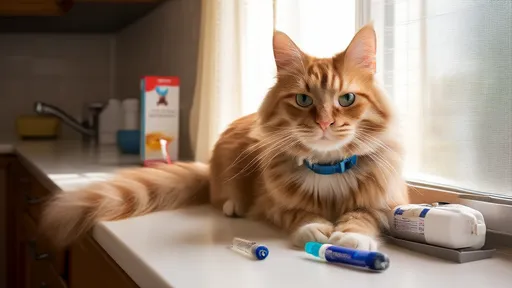
The initial and most critical step when faced with this problem is to rule out medical causes. A sudden change in urination habits is very often the first and only sign of a significant health issue. Assuming the behavior is purely behavioral without a veterinary consultation is a grave mistake that could delay vital treatment. A cat experiencing pain or discomfort while urinating will quickly develop a negative association with the litter box itself. They begin to blame the box for their agony, leading them to seek out alternative, softer surfaces like carpets, piles of laundry, or bathtubs, which they perceive as less painful.
Feline Lower Urinary Tract Disease (FLUTD) is a common culprit. This is not a single disease but an umbrella term for a variety of conditions affecting the bladder and urethra. Cystitis, or inflammation of the bladder, can make urination incredibly painful and urgent. The formation of urinary crystals or stones can cause a blockage, particularly in male cats, which is a life-threatening emergency requiring immediate intervention. Other medical issues like kidney disease, diabetes, or hyperthyroidism can cause increased water consumption and consequently, an overwhelmed bladder that can't always make it to the box in time. Arthritis, common in older cats, can make it physically difficult and painful to climb into a box with high sides. A thorough veterinary exam, which should include a urinalysis and potentially blood work or imaging, is the indispensable first line of defense in solving the mystery of inappropriate elimination.
Once a clean bill of health has been confirmed by a veterinarian, the investigation turns to behavioral and environmental factors. The domestic cat, for all its pampered existence, retains the sensitive soul of a wild predator. Their environment, and specifically their bathroom habits, are deeply tied to feelings of safety and security. Stress is a monumental factor in feline inappropriate elimination. Cats are creatures of habit and territory; any perceived threat to their routine or domain can trigger anxiety that manifests in urine marking or avoidance of the litter box.
Changes in the household are a frequent source of this stress. The arrival of a new baby, a new roommate, or, most commonly, a new pet (especially another cat) can disrupt the social hierarchy and make a resident cat feel insecure. The solution is not punishment, which only increases anxiety, but a gradual, careful process of reintroduction and the creation of safe spaces. Construction noise outside, a move to a new home, or even rearranging the furniture can be deeply unsettling. Even something as seemingly minor as a stray cat appearing outside the window can be perceived as an invading rival, triggering a territorial response of spraying urine on vertical surfaces near doors and windows to mark the territory as their own.
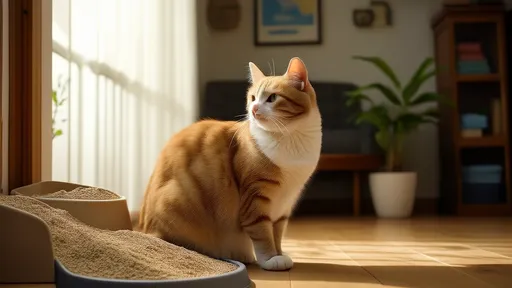
Equally important is a critical assessment of the litter box situation itself. The standards we assume are acceptable often fall woefully short of a cat's fastidious preferences. The number of boxes is paramount. The golden rule is one litter box per cat, plus one extra. This prevents competition and gives each cat options, ensuring a clean box is always available. A single box in a multi-cat household is a recipe for trouble, as a dominant cat may guard it, or a submissive cat may be too intimidated to use it.
Placement is another critical factor. A litter box should be located in a quiet, low-traffic area where the cat will not feel vulnerable or be startled while doing its business. Placing a box next to a loudly rumbling washing machine, in a dark basement, or in a hallway where people and dogs constantly traffic is a sure way to discourage its use. The box should be easily accessible, especially for kittens and older cats. The type of box matters, too. Many cats dislike covered boxes because they trap odors and limit escape routes, making the cat feel trapped. Larger cats need a box big enough for them to turn around and dig comfortably in. The depth of the litter is also a preference; most cats prefer a depth of about two inches for adequate digging.
Perhaps the most common point of failure is maintenance. A dirty litter box is utterly repellent to a cat's sensitive sense of smell. Solid waste should be scooped at least once, if not twice, daily. The entire box should be emptied, washed with mild, unscented soap (avoid harsh chemicals like bleach), and refilled with fresh litter on a weekly basis. The choice of litter is highly individual. Most cats prefer a soft, fine, unscented clumping litter. Heavily perfumed litters, often designed to appeal to humans, are frequently offensive to cats and can be a primary reason for box avoidance. A sudden switch to a new type of litter can also cause refusal; any change should be made gradually, mixing the new litter with the old over a week.
For cases of territorial spraying, especially in multi-cat homes or in response to outdoor cats, additional strategies are needed. Neutering or spaying is the first and most effective step, as it eliminates the hormonal drive to mark territory in the vast majority of cats. For persistent issues, environmental modifications can help. Using opaque window film or closing blinds can block the visual trigger of an outdoor cat. Creating a more enriching environment with vertical space like cat trees, shelves, and hiding spots can boost a cat's confidence and reduce the need to mark. In some cases, synthetic feline facial pheromone diffusers or sprays can create a calming signal that an area is safe and already marked, reducing the urge to spray.
When an accident does occur, proper cleanup is non-negotiable. Standard household cleaners are not sufficient. They may remove the stain and smell to human noses, but a cat's superior olfactory senses will still detect the residual uric acid crystals, which will draw them back to the same spot to remark it. enzymatic cleaners are the only effective solution. These specialized cleaners use natural bacteria or enzymes to literally digest the organic matter and neutralize the odor at its source, making the area unattractive for future elimination. It is also vital to block access to soiled areas after cleaning, perhaps with double-sided tape or aluminum foil, to break the habit.
Resolving feline inappropriate elimination is a journey that demands detective work, not discipline. It requires us to see the world from our cat's perspective and to understand that their actions are a form of communication. By methodically working through the checklist of medical issues, environmental stressors, and litter box management, we can identify the root cause. The path to a solution is paved with veterinary guidance, environmental enrichment, and meticulous hygiene. Success may not be instantaneous, but with consistent effort and a deep well of patience, harmony can be restored to the home, and the bond between human and cat can emerge stronger than ever.

By /Aug 20, 2025

By /Aug 20, 2025

By /Aug 20, 2025

By /Aug 20, 2025

By /Aug 20, 2025

By /Aug 20, 2025

By /Aug 20, 2025

By /Aug 20, 2025

By /Aug 20, 2025

By /Aug 20, 2025

By /Aug 20, 2025

By /Aug 20, 2025

By /Aug 20, 2025

By /Aug 20, 2025
By /Aug 20, 2025

By /Aug 20, 2025

By /Aug 20, 2025

By /Aug 20, 2025
By /Aug 20, 2025

By /Aug 20, 2025